
For companies moving temperature-sensitive products, every mile and every minute counts.
Fresh produce, frozen foods, pharmaceuticals, seafood, dairy — refrigerated logistics runs on speed, reliability, and a transportation network that doesn’t leave much room for delay. That’s part of why cold storage operators, refrigerated distribution companies, and food manufacturers have started paying closer attention to southeastern North Carolina.
Sitting just minutes from the Port of Wilmington, Brunswick County gives refrigerated logistics companies direct access to one of the East Coast’s more efficient ports, along with the land, workforce, and transportation infrastructure to back up long-term growth. For businesses that live and die by the cold chain, that combination adds up to a real advantage.
Why Location Matters in Cold Chain Logistics
Refrigerated logistics doesn’t leave much margin for error. Products often need to stay within strict temperature ranges from the moment they’re harvested or manufactured until they land in a consumer’s hands. A delay at the port, a backed-up highway, an inefficient distribution route — any of these can mean higher costs, shorter shelf life, spoiled product, or an unhappy customer.
That’s why companies running serious cold chain operations don’t pick a location casually. They look hard at every link in the supply network before committing. Brunswick County puts businesses close to the Port of Wilmington while keeping them connected to the highways and rail lines that move product across the Southeast.
Fast Access to the Port of Wilmington
One of the county’s biggest advantages is simply how close it sits to the port itself.
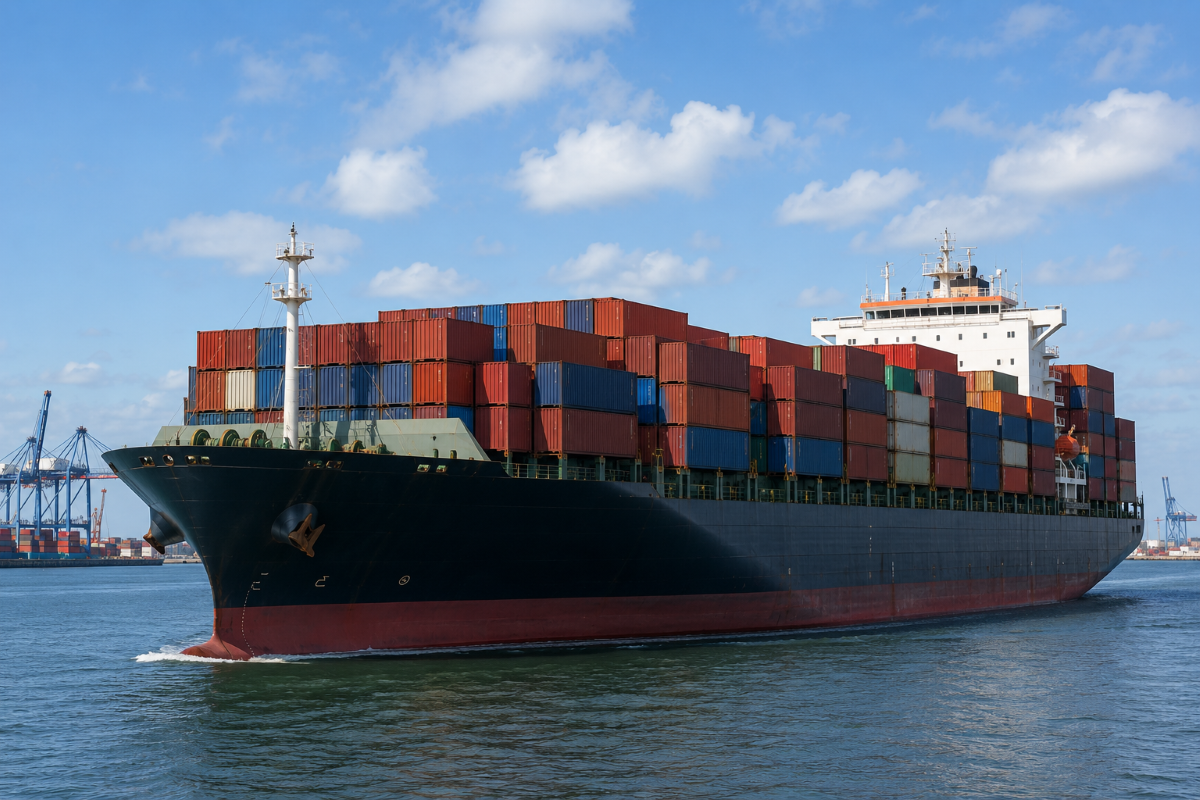
Located roughly 26 miles up the Cape Fear River from the Atlantic, the Port of Wilmington has become a key gateway for imports and exports across the Southeast, moving cargo efficiently between ships, trucks, rail, and distribution centers. For refrigerated logistics operators, being nearby means less time spent hauling containers between the marine terminal and cold storage — which means less handling and better-preserved product quality.
Rather than trucking containers long distances after they clear the port, companies based in Brunswick County can get products into refrigerated warehouses, processing facilities, or distribution centers quickly.
Built to Handle Refrigerated Cargo
Not every port is set up to handle temperature-controlled shipping well. Wilmington has invested specifically in that capability — dedicated reefer container handling and cold storage operations that keep temperature-sensitive shipments stable from the moment they arrive.
The Port of Wilmington has the capacity to keep freight moving. It handles about 600,000 TEUs each year, operates seven container cranes, and offers nearly one million square feet of covered warehouse space. Because the port generally has available berth space, vessels can often be processed without the lengthy waits seen at more congested ports. For companies shipping refrigerated products, less time sitting at the dock means less risk to temperature-sensitive cargo.
Efficient Truck Access Reduces Transit Time
Containers don’t sit around once they clear the port. Wilmington moves cargo and turns trucks around fast, which keeps equipment in motion instead of idling.
From there, it’s a short run to US Highway 17, US 74/76, NC 87, and Interstate 140, with I-40 and I-95 not far beyond that. That’s how refrigerated shipments reach major population centers across North Carolina and the Southeast without cutting it close on delivery windows.
Rail Connections Expand Distribution Options
Most serious cold chain operators aren’t relying on trucks alone. The Port of Wilmington is served by CSX, giving companies intermodal rail access into inland markets across the eastern U.S. For businesses moving large volumes, rail can be a more cost-effective option for long-haul distribution. Having both highway and rail available means more flexibility in balancing speed, cost, and reliability.
Supporting the Growing Southeast Market
Demand for refrigerated logistics is climbing right along with the Southeast’s population. North Carolina, South Carolina, Georgia, Tennessee, and Virginia are all growing fast enough that cold storage and food distribution infrastructure is struggling to keep pace.
Brunswick County sits within about 700 miles of more than 70% of the nation’s industrial base — a radius that lets companies reach much of the eastern U.S. efficiently, cutting transportation costs and tightening delivery times along the way.
Room to Expand Operations
As demand grows, a lot of companies find they need more than warehouse space — they need room to actually scale. Brunswick County has development-ready industrial sites and megasites suited to cold storage warehouses, refrigerated distribution centers, food processing facilities, import/export operations, 3PL providers, and any manufacturing that depends on temperature-controlled storage.
Compared to more congested industrial markets, this gives businesses room to grow without giving up proximity to the transportation assets they depend on.
A Workforce Ready to Support Logistics
Infrastructure only gets a company halfway there. Brunswick County also offers access to a regional workforce of more than 200,000 people, backed by nearby universities, community colleges, and workforce training programs tailored to logistics — warehouse operations, transportation, equipment maintenance, manufacturing, distribution, and supply chain management.
As logistics operations get more complex, having that kind of talent pipeline close by becomes a real competitive edge.
Partnering With Brunswick BID
Picking the right location for a refrigerated logistics operation takes more than pulling up a map. Companies need real information on available sites, utilities, transportation infrastructure, workforce resources, permitting, and incentives.
Brunswick Business & Industry Development works directly with companies throughout that process, helping match businesses with opportunities that fit their operations and their long-term plans. Schedule a consultation with our team today.