
Global supply chains have gotten a lot harder to manage. Costs swing unpredictably, partners fall short, and delays that used to be rare now feel routine. Businesses that depend on international sourcing are dealing with all of this simultaneously. While no single location fixes those problems, where you’re based still shapes how well you can absorb them.
The questions that drive site selection haven’t changed much: How far are you from a working port? What happens to your freight when trucking gets backed up or too expensive?
More manufacturers, distributors, and logistics operators have been landing on the same answer lately: Brunswick County, North Carolina deserves a hard look.
A Port That’s Actually Investing in Itself
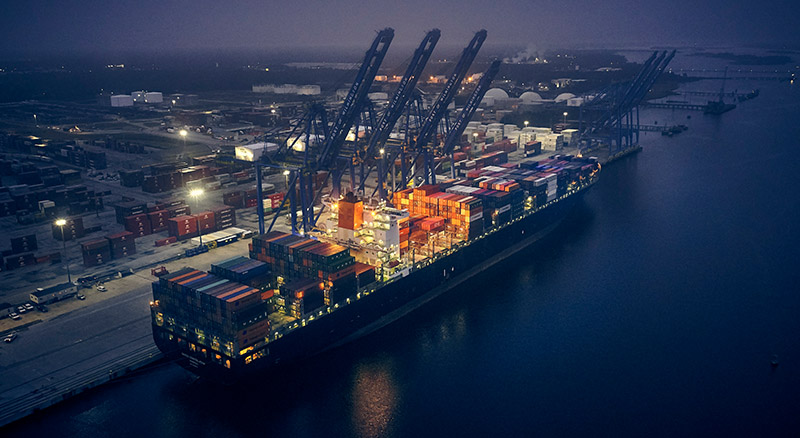
The Port of Wilmington is essentially next door, and it’s not standing still. While several East Coast ports have been straining under volume, Wilmington has been putting money into expanding capacity, which means shorter, cheaper moves between the port and your facility, and goods that reach the next stop in your chain faster.
The port handles diverse cargo types, cold storage included, which puts it on the radar for industries well outside traditional manufacturing. And North Carolina’s broader infrastructure investment strategy means the port’s capabilities will keep developing rather than plateauing.
Rail: The Option Most Companies Stop Considering Too Early
Here’s what tends to get glossed over in site selection: rail access. Trucking is flexible, sure, but it gets costly fast — particularly for high-volume, long-haul freight. Brunswick County ties into the CSX network, which changes the math for businesses moving large amounts of material.
Shifting cargo from a coastal port onto rail instead of over-the-road cuts costs and takes some of the pressure off driver availability and fuel pricing. For any operation managing consistent, large-volume material flows, that kind of backup isn’t a nice-to-have. A supply chain either holds up when things get tight or it doesn’t — redundancy is what makes the difference.
Roads That Move
Brunswick County connects to major corridors running through North Carolina and across the Southeast. Freight moves quickly through the area without the gridlock that tends to follow when you’re close to a big metro.
That makes a real difference not just for obvious logistics but for the everyday stuff — commutes, vendor timing, last-mile delivery. When roads aren’t a constant variable, operations get simpler.
Space, and People Who Help You Use It
Industrial land is genuinely hard to find in a lot of faster-growing markets. Brunswick County still has it: sites with the acreage and zoning to support manufacturing facilities, distribution centers, or large logistics campuses.
And when it comes to actually getting a project off the ground, the Brunswick Business & Industry Development team stays involved through the whole process. Site selection, infrastructure planning, permitting, workforce development — they’re not handing you a packet and wishing you luck. They work alongside you through whatever the project actually needs, which tends to shorten timelines in ways that matter when you’re trying to move.
The Tax Situation
North Carolina’s corporate income tax is currently 2.5% — the lowest in the country. There’s already a phased reduction in place that would bring that figure to zero by 2029. For operations reinvesting heavily or running significant margins, that gap adds up. It’s a big reason North Carolina keeps showing up on business climate rankings from outlets like CNBC and Site Selection magazine.
The Workforce Side
Infrastructure only goes so far without the people to run it. The region pulls from a workforce of over 200,000, backed by universities and community colleges that work directly with employers on industry-specific training.
The relocation conversation almost always includes quality of life, and this region holds up there too — coastal access, housing that’s still affordable, and enough to do outdoors that it’s actually a place people choose to live. That makes recruiting and retention less of an uphill battle.
What It Adds Up To
Location is one of the only variables in your supply chain you genuinely can’t fix after you’ve committed to it. Brunswick County puts port access, rail, highway infrastructure, available land, workforce, and a competitive tax environment in the same place. That combination is harder to find than it used to be.
If you’re working through a relocation or expansion decision, Brunswick County belongs on the list. And when you’re ready to take a closer look, the Brunswick Business & Industry Development team is ready to help every step of the way.